
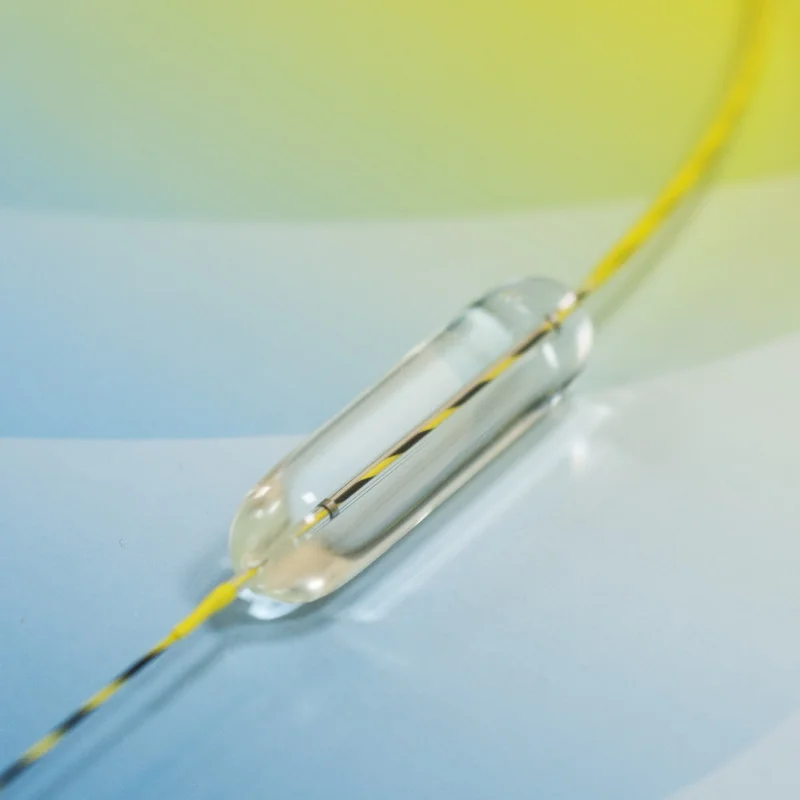
Multi-Stage Oesophageal Balloon DilatorAmara™ Balloon Dilatation Catheter · 3-Stage, Through-the-Scope
A single-use, through-the-scope (TTS) balloon dilatation catheter that reaches three distinct diameters at three set pressures — so one device covers a full progressive dilation of an oesophageal, pyloric or colonic stricture with no catheter exchange. Controlled radial expansion and rounded balloon shoulders keep the stricture in view throughout dilatation.
Oesophageal Balloon Dilator Features
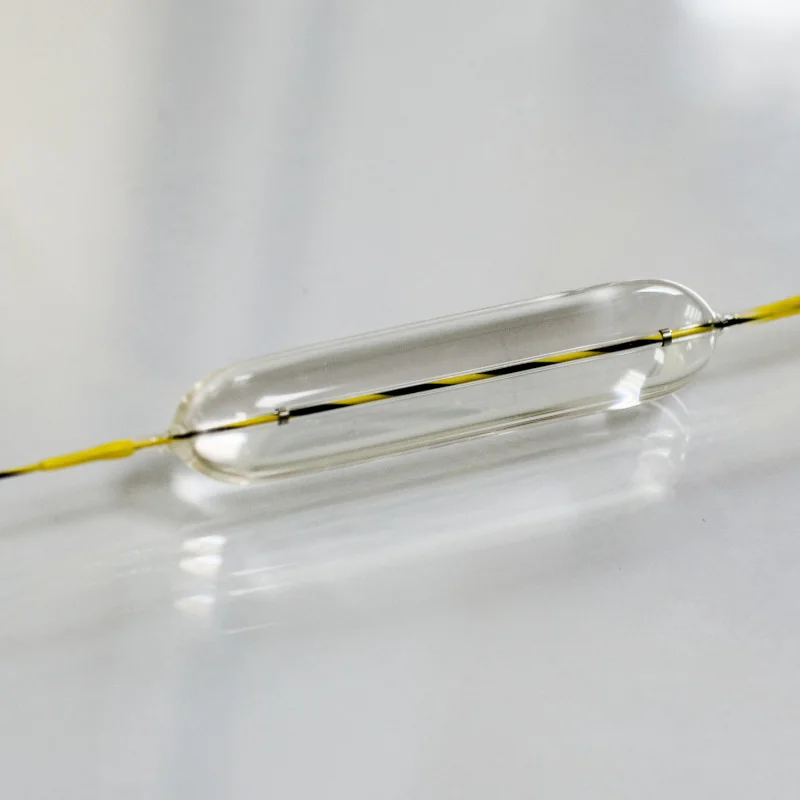
- Controlled radial balloon expansion designed to produce 3 distinct and precise diameters at 3 separate pressures during dilatation.
-
Catheter shaft designed with a high column strength to offer best-in-class pushability and
torque control. - Compatible with min 2.8mm scope working channel.
- High pressure balloon resistance designed to produce no balloon waisting.
- Delivery over guidewires up to 0.035" under direct visualization or fluoroscopy.
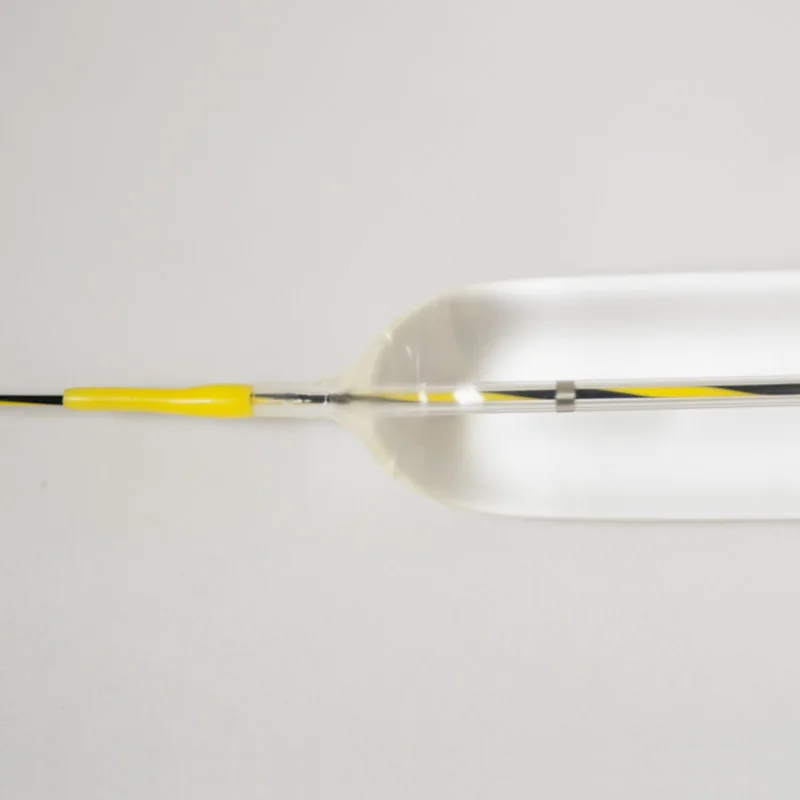
- Radiopaque marker band to confirm placement during fluoroscopy.
Need a custom configuration or a private-label version? Explore our catheter design services, or see our ISO 13485 catheter manufacturing capabilities.

Indications & Clinical Applications
Progressive balloon dilatation of benign and malignant strictures of the upper and lower gastrointestinal tract, performed through the working channel of the endoscope under direct visualisation or fluoroscopy.
Clinical applications listed for reference. Always refer to the Instructions for Use supplied with the device for the approved indications, contraindications and warnings. View Instructions for Use.
Balloon Diameters and Working Channel Sizes
Balloon sizes: 6-7-8, 8-9-10, 10-11-12, 12-13.5-15, 15-16.5-18 and 18-19-20 mm. Balloon lengths 3.0 cm and 5.5 cm, catheter lengths 180 cm and 240 cm, guidewire compatibility to 0.035".
| Reference Part Number |
Inflated Balloon Diameter |
Balloon Length |
Inflated Pressure |
Catheter Length |
Minimum Working Channel |
Guidewire Size |
|---|---|---|---|---|---|---|
| GDB-0110630S | 6-7-8MM | 3.0CM | 3-6-10ATM | 180CM | 2.8MM | 0.035" |
| GDB-0110655S | 6-7-8MM | 5.5CM | 3-6-10ATM | 180CM | 2.8MM | 0.035" |
| GDB-0110830S | 8-9-10MM | 3.0CM | 3-5.5-9ATM | 180CM | 2.8MM | 0.035" |
| GDB-0110855S | 8-9-10MM | 5.5CM | 3-5.5-9ATM | 180CM | 2.8MM | 0.035" |
| GDB-0111030S | 10-11-12MM | 3.0CM | 3-5-8ATM | 180CM | 2.8MM | 0.035" |
| GDB-0111055S | 10-11-12MM | 5.5CM | 3-5-8ATM | 180CM | 2.8MM | 0.035" |
| GDB-0111230S | 12-13.5-15MM | 3.0CM | 3-4.5-8ATM | 180CM | 2.8MM | 0.035" |
| GDB-0111255S | 12-13.5-15MM | 5.5CM | 3-4.5-8ATM | 180CM | 2.8MM | 0.035" |
| GDB-0111555S | 15-16.5-18MM | 5.5CM | 3-4.5-7ATM | 180CM | 2.8MM | 0.035" |
| GDB-0111855S | 18-19-20MM | 5.5CM | 3-4.5-6ATM | 180CM | 3.2MM | 0.035" |
| GDB-0120630S | 6-7-8MM | 3.0CM | 3-6-10ATM | 240CM | 2.8MM | 0.035" |
| GDB-0120655S | 6-7-8MM | 5.5CM | 3-6-10ATM | 240CM | 2.8MM | 0.035" |
| GDB-0120830S | 8-9-10MM | 3.0CM | 3-5.5-9ATM | 240CM | 2.8MM | 0.035" |
| GDB-0120855S | 8-9-10MM | 5.5CM | 3-5.5-9ATM | 240CM | 2.8MM | 0.035" |
| GDB-0121030S | 10-11-12MM | 3.0CM | 3-5-8ATM | 240CM | 2.8MM | 0.035" |
| GDB-0121055S | 10-11-12MM | 5.5CM | 3-5-8ATM | 240CM | 2.8MM | 0.035" |
| GDB-0121230S | 12-13.5-15MM | 3.0CM | 3-4.5-8ATM | 240CM | 2.8MM | 0.035" |
| GDB-0121255S | 12-13.5-15MM | 5.5CM | 3-4.5-8ATM | 240CM | 2.8MM | 0.035" |
| GDB-0121555S | 15-16.5-18MM | 5.5CM | 3-4.5-7ATM | 240CM | 2.8MM | 0.035" |
| GDB-0121855S | 18-19-20MM | 5.5CM | 3-4.5-6ATM | 240CM | 3.2MM | 0.035" |
Through-the-Scope Dilatation in the GI Tract
A through-the-scope balloon — TTS in most endoscopy units — passes down the working channel of the endoscope and is inflated across the stricture under direct vision. The alternative, a wire-guided bougie or an over-the-wire balloon placed after scope withdrawal, means dilating something you can no longer see.
Direct vision is the whole argument for TTS. The endoscopist watches the waist form and release, sees mucosal response as it happens, and can stop at the first sign of a deep tear rather than discovering it on withdrawal. For a stricture that is tight, angulated, or close to a landmark that must not be dilated, that feedback is the difference between a controlled dilatation and a blind one.
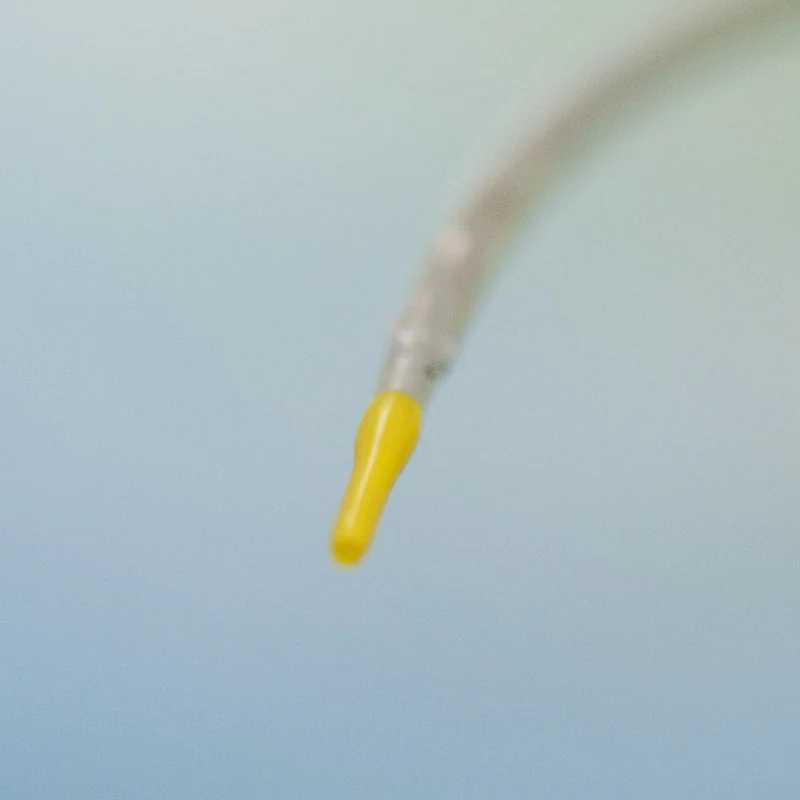
The Amara™ catheter is built for that route: a high-column-strength shaft that transmits push through a long, angulated channel without buckling, and a balloon profile that passes a working channel of 2.8 mm or more. Technique and indications are covered in our clinical guide to navigating difficult anatomy in endoscopy.
Which Three-Stage Range to Order
Each Amara™ reference is a single balloon that reaches three diameters, selected by inflation pressure rather than by exchanging the device. A 10-11-12 mm balloon dilates to 10 mm at its first pressure step, 11 mm at the second and 12 mm at the third.
That changes how you order. Rather than selecting a target diameter, you are selecting the range a stricture is likely to need across one session or several — and the graduated approach that would otherwise require three catheters is available from one. Six ranges cover the spectrum:
- •6-7-8 mm and 8-9-10 mm — tight strictures, first dilatation, or anatomy where a conservative endpoint is the plan
- •10-11-12 mm and 12-13.5-15 mm — the usual working ranges for oesophageal stricture dilatation
- •15-16.5-18 mm and 18-19-20 mm — larger-calibre targets where swallowing function rather than passage is the objective
Pressure steps scale with the range, from 3-4.5-6 ATM at the smallest to 3-6-10 ATM at the largest, and balloon lengths of 3.0 cm and 5.5 cm cover focal and longer segments. Twenty references in total — the full matrix is in the table above.
Endoscope Compatibility and Catheter Length
Two compatibility figures decide whether a reference will work with your scope, and both are in the sizing table.
Minimum working channel is 2.8 mm for the smaller balloons and 3.2 mm for the larger ones. A standard diagnostic gastroscope typically offers 2.8 mm, while therapeutic scopes and colonoscopes offer more — so the larger diameter ranges assume a therapeutic channel. Check the scope rather than the procedure name; channel size varies between models more than between indications.
Catheter length is 180 cm or 240 cm. The 180 cm references suit gastroscopy working lengths; 240 cm is for colonoscopes and enteroscopes, where a 180 cm catheter would not reach the stricture with enough shaft left outside the scope to handle. Ordering the shorter catheter for a colonoscopic indication is the most common avoidable mismatch.
All references are delivered over guidewires up to 0.035" and carry a radiopaque marker band for fluoroscopic confirmation where the stricture is not fully visible endoscopically.