
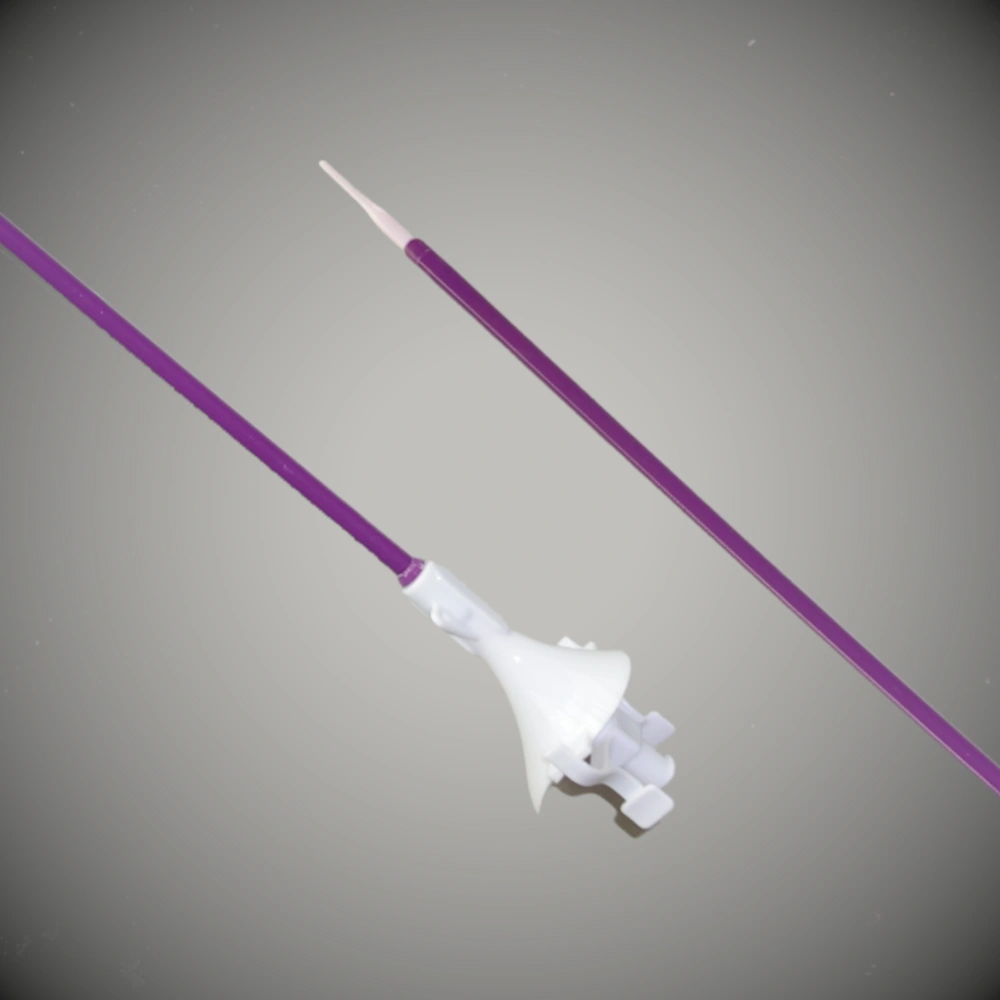
Hydrophilic Ureteral Access SheathManawa™ UAS
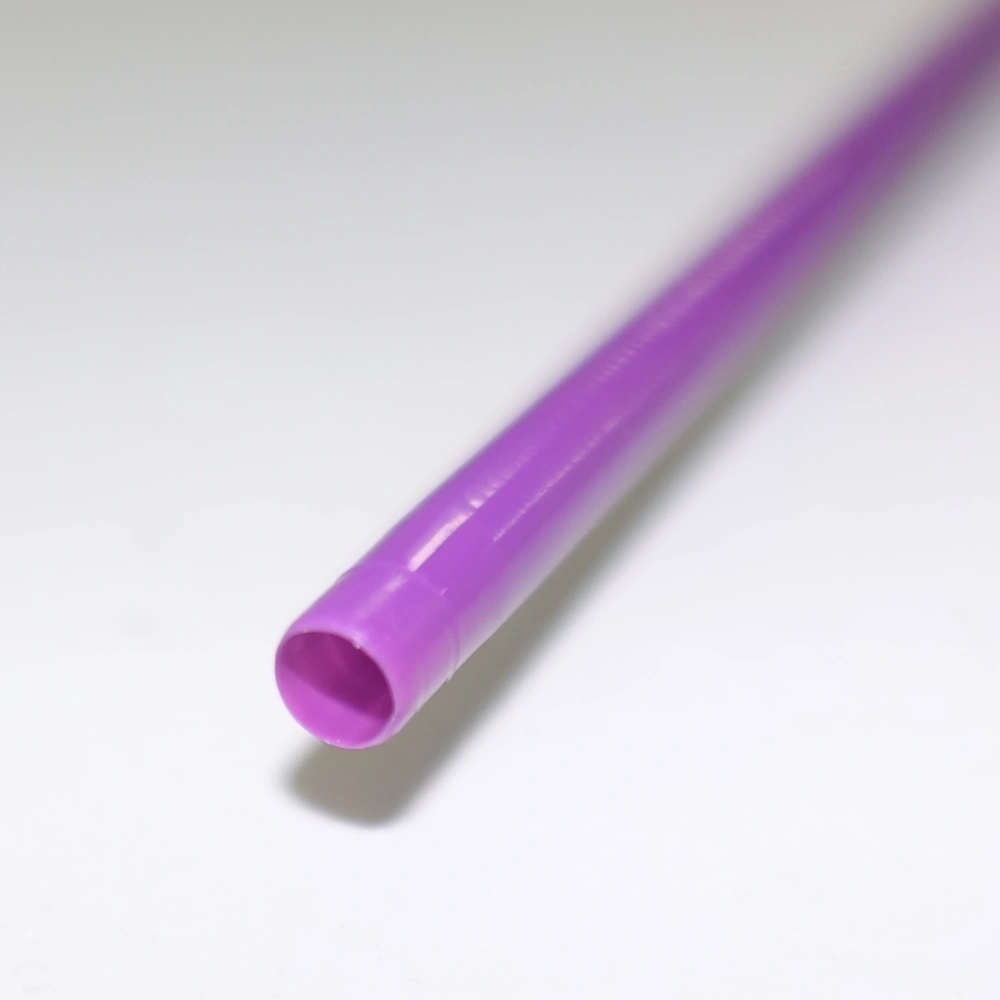
Designed with the patient in mind, the Manawa™ Access Sheath provides a seamless path for the introduction and use of multiple instruments during challenging urological procedures. Urologists can navigate through anatomical structures with ease.
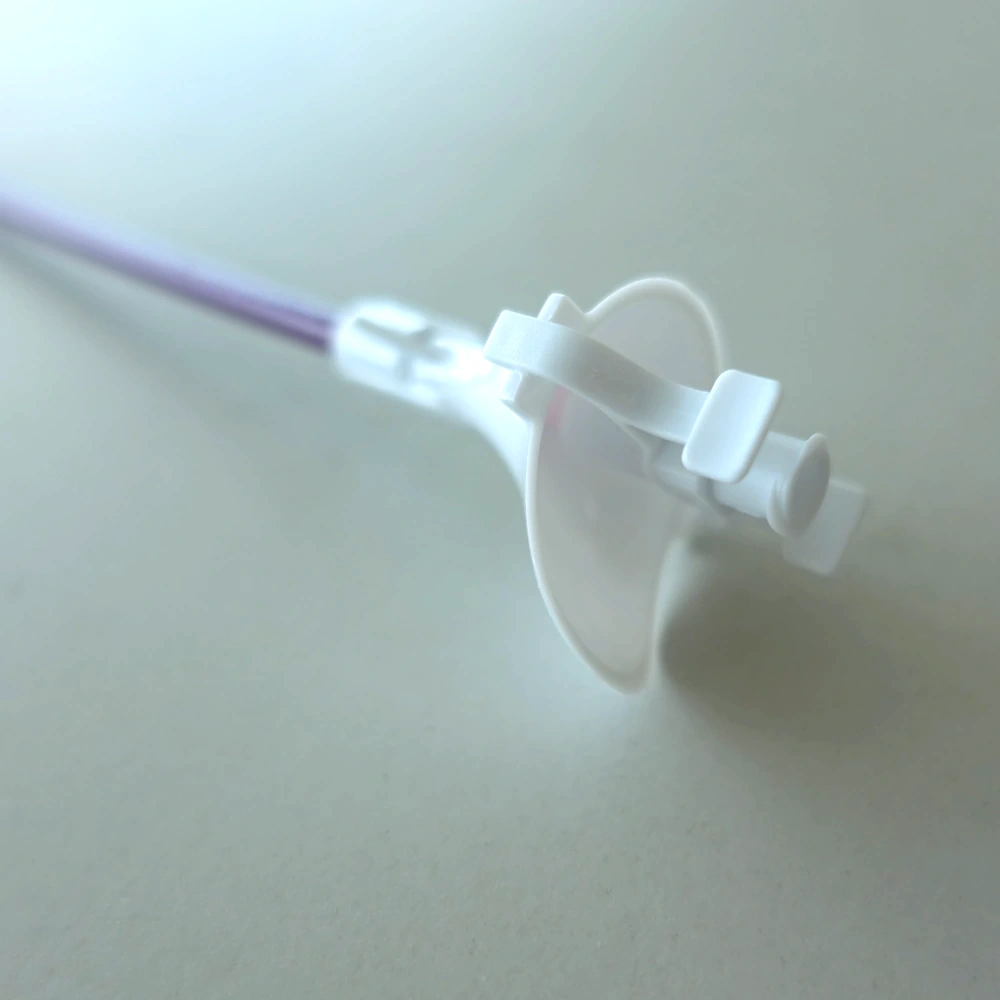
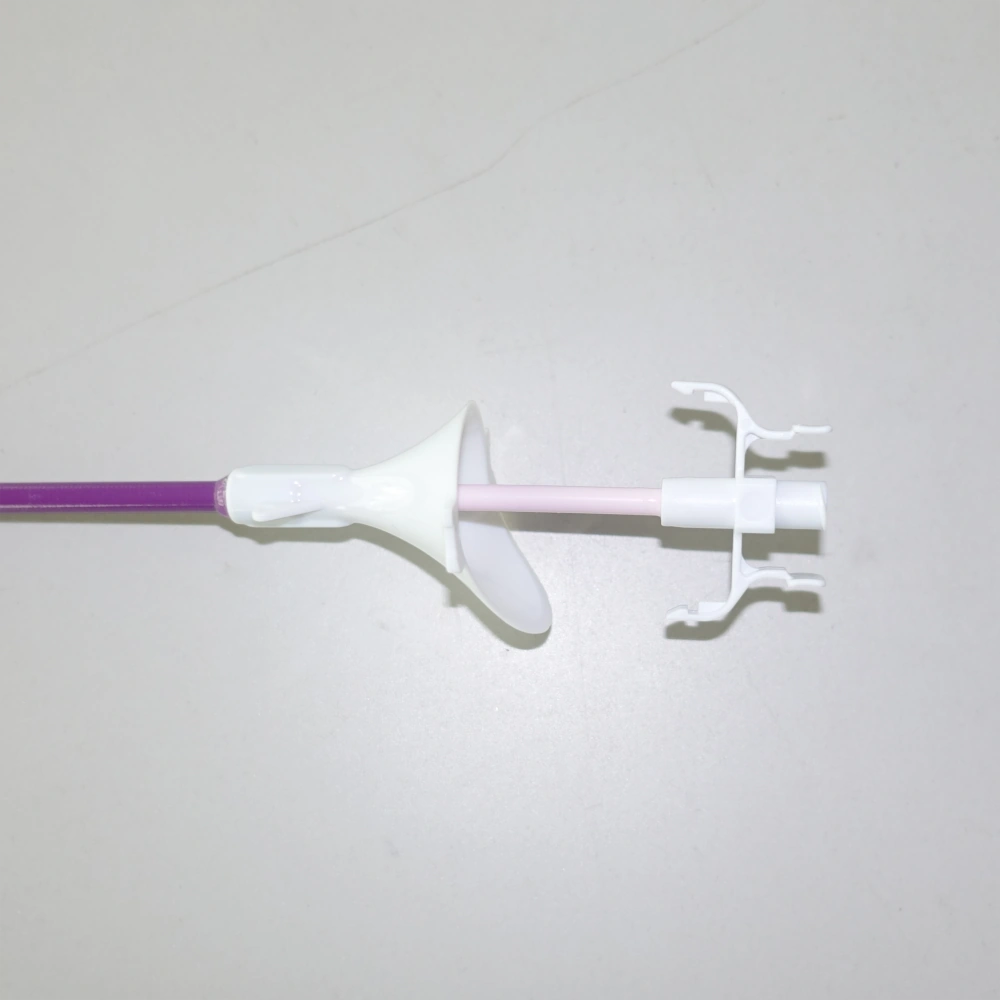
Ureteral Access Sheath Features
- Hydrophilic coating on the dilator and sheath for smooth insertion
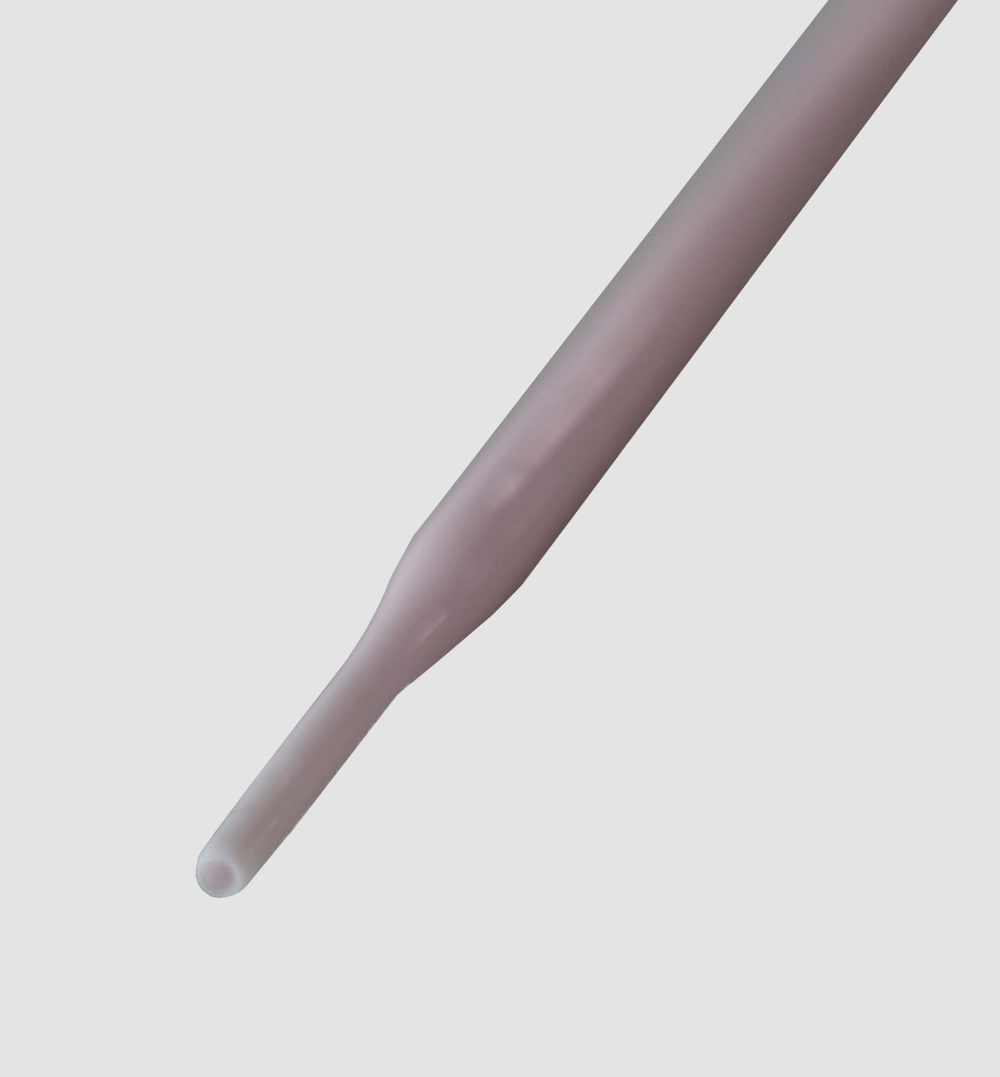
- Tapered dilator with rounded tip for atraumatic introduction.
- Seamless transition between dilator and sheath to reduce risks of trauma.
- Reinforced sheath to provide stability and strength during placement.
- Delivery over guidewires up to 0.038" under direct visualization or fluoroscopy.
- Large internal lumen to maximize irrigation flow. 12F Sheath accepts up to a 10F scope, 14F Sheath accepts up to a 12F scope.
- Radiopaque marker band on the sheath tip to confirm placement during fluoroscopy.
Need a custom configuration or a private-label version? Explore our catheter design services, or see our ISO 13485 catheter manufacturing capabilities.
Ureteral Access Sheath Sizes and Working Lengths
| Reference Part Number |
Internal Diameter French Size |
External Diameter French Size |
Sheath Length | Tip Length | Guidewire | Hydrophilic Coating |
|---|---|---|---|---|---|---|
| UAS-0109520S | 9.5F | 11.5F | 20CM | 20MM | 0.038" | Dilator Tip & Sheath |
| UAS-0109528S | 9.5F | 11.5F | 28CM | 20MM | 0.038" | Dilator Tip & Sheath |
| UAS-0109535S | 9.5F | 11.5F | 35CM | 20MM | 0.038" | Dilator Tip & Sheath |
| UAS-0109545S | 9.5F | 11.5F | 45CM | 20MM | 0.038" | Dilator Tip & Sheath |
| UAS-0110720S | 10.7F | 12.7F | 20CM | 22MM | 0.038" | Dilator Tip & Sheath |
| UAS-0110728S | 10.7F | 12.7F | 28CM | 22MM | 0.038" | Dilator Tip & Sheath |
| UAS-0110735S | 10.7F | 12.7F | 35CM | 22MM | 0.038" | Dilator Tip & Sheath |
| UAS-0110745S | 10.7F | 12.7F | 45CM | 22MM | 0.038" | Dilator Tip & Sheath |
| UAS-0112020S | 12F | 14F | 20CM | 24MM | 0.038" | Dilator Tip & Sheath |
| UAS-0112028S | 12F | 14F | 28CM | 24MM | 0.038" | Dilator Tip & Sheath |
| UAS-0112035S | 12F | 14F | 35CM | 24MM | 0.038" | Dilator Tip & Sheath |
| UAS-0112045S | 12F | 14F | 45CM | 24MM | 0.038" | Dilator Tip & Sheath |
| UAS-0114020S | 14F | 16F | 20CM | 27MM | 0.038" | Dilator Tip & Sheath |
| UAS-0114028S | 14F | 16F | 28CM | 27MM | 0.038" | Dilator Tip & Sheath |
| UAS-0114035S | 14F | 16F | 35CM | 27MM | 0.038" | Dilator Tip & Sheath |
| UAS-0114045S | 14F | 16F | 45CM | 27MM | 0.038" | Dilator Tip & Sheath |
Choosing the Right Manawa™ UAS Size
Every Manawa™ UAS is specified by two French sizes: the inner diameter, which determines the largest ureteroscope that will pass, and the outer diameter, which determines what the ureter has to accommodate. Sheath selection is the balance between those two numbers — a larger inner lumen gives better irrigation outflow and easier scope passage, while a larger outer diameter increases insertion force at the uretero-vesical junction.
- •9.5F / 11.5F — the smallest configuration, for narrow or unstented ureters where a larger outer diameter would meet resistance
- •10.7F / 12.7F — a common compromise with a standard 7.5F flexible ureteroscope, leaving a generous annular gap for outflow
- •12F / 14F — accepts ureteroscopes up to 10F
- •14F / 16F — accepts ureteroscopes up to 12F, for larger working channels or basket-intensive cases
Working lengths of 20, 28, 35 and 45 cm cover the range from short female anatomy to tall male patients. The length should place the sheath tip in the proximal ureter without the hub crowding the scope's deflection, so a longer sheath is not automatically the safer choice — it reduces the scope length available inside the collecting system.
Tip length scales with diameter across the range, from 20 mm on the 9.5F to 27 mm on the 14F, so the taper stays gradual as the sheath gets larger. Full dimensions for every reference are listed in the sizing table above.
Irrigation Flow and Intrarenal Pressure
Without a sheath, irrigation entering the collecting system through the ureteroscope has no dedicated route out, and intrarenal pressure rises with the irrigation rate. A correctly sized access sheath converts that closed arrangement into an open circuit: the annular space between the scope and the sheath wall carries fluid continuously back out along the ureter.
This is why inner diameter matters more than it first appears. The outflow cross-section is the sheath lumen minus the scope occupying it, so pairing a 10.7F sheath with a 7.5F scope leaves a markedly larger annular gap than a tighter combination — and outflow capacity, not irrigation pressure, is usually what limits a case. The large internal lumen and reinforced wall of the Manawa™ UAS are designed around that relationship: the reinforcement keeps the lumen round and open under the bending loads of a tortuous ureter, rather than allowing it to flatten where outflow is most needed.
For the clinical background on pressure thresholds, monitoring and sheath selection during retrograde intrarenal surgery, see our clinical guide to optimising intrarenal pressure during RIRS.
Manawa™ UAS or FANS Suction UAS
Envaste makes two ureteral access sheaths, and they are not interchangeable. The choice turns on whether passive drainage through the annular gap is enough for the case in front of you.
Manawa™ UAS — passive drainage
- • Routine ureteroscopy and stone retrieval
- • Moderate stone burden, where fragments clear through the annular space
- • Cases where maximum inner lumen for irrigation outflow is the priority
- • 9.5F–14F inner diameter, 20–45 cm
FANS Suction UAS — active suction
- • High stone burden or dusting with fine fragment load
- • Infection stones, where limiting pressure matters most
- • Lower pole access needing full scope deflection at the tip
- • Active suction with a flexible distal end
If the case involves heavy fragment load, a narrow ureter, or a patient in whom raised intrarenal pressure carries added risk, the suction-assisted design is the better starting point — see the FANS Suction Ureteral Access Sheath (Manawa™). For percutaneous access, the same suction principle is applied in the Nephrostomy Suction Access Sheath (Manawa™).
Placement and Handling
The Manawa™ UAS is delivered over a guidewire of up to 0.038", under direct visualisation or fluoroscopy. The dilator is tapered with a rounded tip, and the transition between dilator and sheath is seamless, so there is no shoulder to catch at the uretero-vesical junction — the point where most insertion trauma occurs.
Hydrophilic coating is applied to both the dilator tip and the sheath, not the sheath alone. The coating needs wetting before insertion to develop its lubricity, and it is what allows the assembly to track the wire with low insertion force. A radiopaque marker band at the sheath tip confirms final position fluoroscopically before the dilator is withdrawn.
Where a sheath will not pass without undue force, pre-stenting for a period before the procedure passively dilates the ureter and improves placement success at the next attempt. Forcing a sheath against resistance risks ureteral wall injury, and converting to a staged approach is the safer course.